
Category Archives: Wellbeing

Are Smart devices truly making us less smart???

TECHNOLOGY

ARE SMART DEVICES TRULY MAKING US LESS SMART??

6th APRIL 2025 / LILIA MCPHEE/ LEAVE A COMMENT


The use of technology has grown massively over the past decade. Did you know that over 90% of the global population own at least one smart device? It’s no surprise really considering how fast innovation is moving. These smart devices we own like our mobile phones , smart watches and even smart fridges are designed to make our life more simple , faster and bring us more connected to one another.

But here lies the big questions … are these smart devices the downfall for us as humans? making us lazy , distracted and less capable to think for ourselves.

Credit: Eli Savage, Staff Illustrator

In this blog we will focus  in on the ups and downs of the digital world , the impact it has posed on human intelligence and what can be done to reverse the negative side effects that have come from the use of these devices.

How smart devices have evolved us in a positive way 📈

Advancements in technology which has led to the reign of smart devices has really helped evolve the world . Below are three key areas in which they have enhanced human capability.

  • Instant information ℹ️ – The use of the Internet and AI access has helped humans to gain information in lightning speed . Speeding up processes such as gathering information for assignments, work projects or just general knowledge.


  • Connection globally 🌍  – Having facilities like FaceTime , Skype and social media has helped people to stay connected wherever and no matter the distance.


  • Safety and awareness⚠️ –  Innovations in smart technology gave improved safety for the public. For example, phones can now detect earthquakes , send weather alerts and track  a persons location via apps like life360. Having these facilities has helped to keep people safer and spread word of danger in a more efficient way.

Although while this may all sound like sunshine and rainbows there are big issues that have followed from these smart devices….

The Dark side  📉

Some of the key negatives of using these smart devices are…

  • Dependency 🤖 – With frequent use of these smart devices people have forgot how to think for themselves which is a result from having access to pretty much anything at your fingertips. For example, google and now the likes of chatGPT and Microsoft Copilot can answer questions at a fast pace. This has also been proven to have effects on users memory and retention from these new tools and features on smart devices people no long feel the need to hold so much information or remember it like they used to.

🧠 would you say you rely too much on your devices for simple information that you already know but you are  just too lazy to retain this information?

  • Attention span 🚨 – Humans attention span has lowered dramatically over the last decade as a result of technology and social media in the 2000 it was recorded that the average attention span for an adult was 12 seconds however it recent years it has fallen to 8.25 seconds being lower than a goldfish at 9 seconds.

🧪 Why not find out your own individual attention span through The attention span test . 

  • Losing our ability to think critically 💭 –  we often accept the first thing we see as a fact falling victim to things we hear and see on our smart devices , like social media and scare mongering from fake news shared online through our smart devices.

“Personally,  I relate with the issues touched on above having grown up with smart devices myself. They’ve been both a blessing and a drawback in various aspects of life. Looking back on my childhood, one of my first smart devices was a Nintendo DS. I believe this hindered with my ability to socialise with others during a crucial stage of development as a young person which is something that has followed me into my adult life”.

Watch this short video to see another person’s take on the decline smart devices are having on  us…

Source: YouTube,  CBS Sunday Morning

Mental and physical health decline

Despite making us less smart it also has detrimental impacts on a person health both physically and mentally through sleep , anxiety and social aspects read here for more.
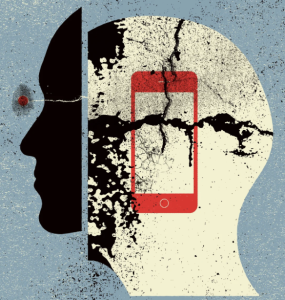
Credit: Aesthetic Apparatus

What can we do?

so how can we reverse these effects before it’s too late ..

  • Designated No tech time 📵
  • Set Screen time limits ⏰
  • Create designated Tech free areas in your living spaces like  bedrooms and dinner tables while eating. This can help with sleep and being present in the moment rather than having the distraction of your phone , laptop, tv and social media. 🧘‍♀️

All these practices are a form of digital detox and mindfulness take a further look into what this really means for you and the benefits of this bellow .

source: YouTube, Bupa Health 

Final thoughts …

Mokokoma Mokhonoana once said…

“Some devices are smart, unlike their owners.”

― Mokokoma Mokhonoana

Let’s change this….

Finding a smart way of using your digital devices could be the reinvention of the smarter YOU 🫵. Remember that when you next go to grab them!

The development in these smart devices has advanced us but this has come with implications on the way we think. The goal is not to fall backwards but instead implement balance by becoming more aware of these issues and work smarter around them.

So the real question isn’t are smart devices making us less smart as a matter of fact its can we outsmart our smart devices?

Striking a healthy balance of using these devices to enhance and not replace our thinking we really can have the best of both worlds.

Credit: Verywell , Laura Porter

As we come to the end of this why not challenge yourself to a full hour today completely tech free and with that, I mean Everything…. Use this time to reconnect with the real world through tasks like reading , drawing , going for a walk or having a genuine face to face conversation with someone.

Then reflect… and ask yourself….

  • Did you feel more focused ? 🧠
  • Would you do this again? 🔁
  • Were you tempted in any way to pick up your phone or any other smart device? 🤳

Leave a comment and share this experience! If you participated in something different from the suggestions above let others know in the comments with the hopes to inspire ideas for future tech free hours.  And if you completed the attention span test go ahead and compare your scores bellow.


The £20 Meal Plan: How Students Can Eat Healthy on a Budget

Posted by Olivia Gregory

Lets be real – university life is expensive. Between textbooks, rent, social nights and the occasional cheeky takeaway, budgeting becomes an extreme sport. Add trying to eat healthy on top of that? You might feel like it’s impossible. But here’s the good news: you don’t have to sacrifice your health to stick to a student budget.


Why Nutrition Matters for Students

University life can be demanding – a whirlwind of lectures, deadlines, social events and part-time jobs. Amid all this, it’s easy to underestimate the importance of eating well. Research consistently shows that good nutrition is directly linked to academic performance, mental health and physical well-being – all of which are vital for student success.

Nutrition Supports:

  • Cognitive Performance: The brain consumes about 20% of the body’s energy, so it’s no surprise that what you eat affects how well you think (Gómez-Pinilla, 2008).
  • Mental Health: Eating high-quality food nourishes the brain and protects it from oxidative stress (Selhub, 2022).
  • Energy and Physical Health: Students who regularly skip meals or rely heavily on takeaways often experience irregular energy levels, poor sleep, and a higher chance of illness (Pengpid and Peltzer, 2020).

Long days of lectures, commutes or part-time jobs demand physical stamina. Nutrient-rich foods help (NHS Health Scotland, 2023):

  • Stabilise blood sugar, reducing energy crashes.
  • Support immune health, reducing the risk of illness after freshers week!
  • Improve sleep quality, which is essential for memory consolidation

Perhaps most importantly, university is often the first time students take full control of their own diet. The habits you form now can last into adulthood, influencing your long-term health, risk of chronic disease and relationship with food.


The £20 Breakdown:

Estimated prices based on Lidl UK (2023):

CategoryItem ExamplesApproximate Cost
Grains & CarbsOats (£1.25), Pasta (£0.75), Rice (£1.29), Bread (£0.79), Frozen Jacket potatoes (4-pack-£1.25)£5.33
Protein SourcesBananas (£1), Apples (£1.25), Frozen Veg (£1.65), Tinned Tomatoes (2x £0.40)£4.70
Fruit & Veg6 Eggs (£1.29), Tinned Chickpeas (2x £0.40), Greek Yoghurt (£1.69), Chicken Thighs (500g – £2.49), Minced Beef (500g – £2.79)£9.05
Pantry StaplesPeanut Butter (£1.29), Oil (£1.25), Baked Beans (2x £0.40), Spices (£1)£3.94
Total £22.32

Note: While this slightly exceeds the £20 goal by £2, you can bring it back under budget by:

  • Swapping Greek yoghurt for a cheaper plain yoghurt.
  • Buying smaller meat portions or skipping mince.
  • Dropping optional extras like peanut butter.

Sample 3 – Day Meal Plan

Here’s a realistic, easy-to-cook plan for students:

Day 1:

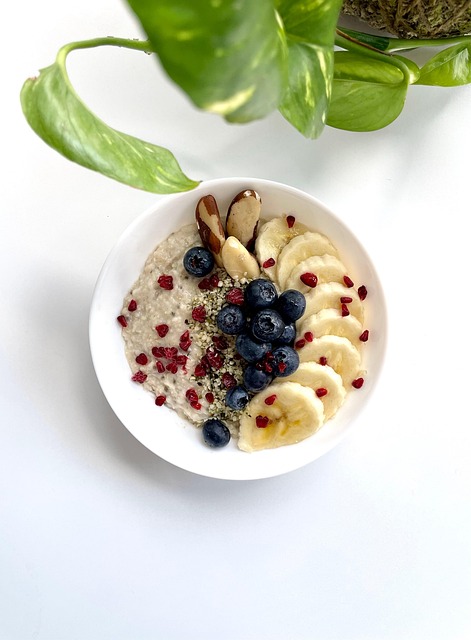
Breakfast: Overnight oats with banana and peanut butter.

Lunch: Boil pasta and mix with tinned chickpeas and tomatoes. Add garlic or mixed herbs.

Dinner: Pan-fry chicken thighs with oil, garlic and herbs, serve with rice and veg.

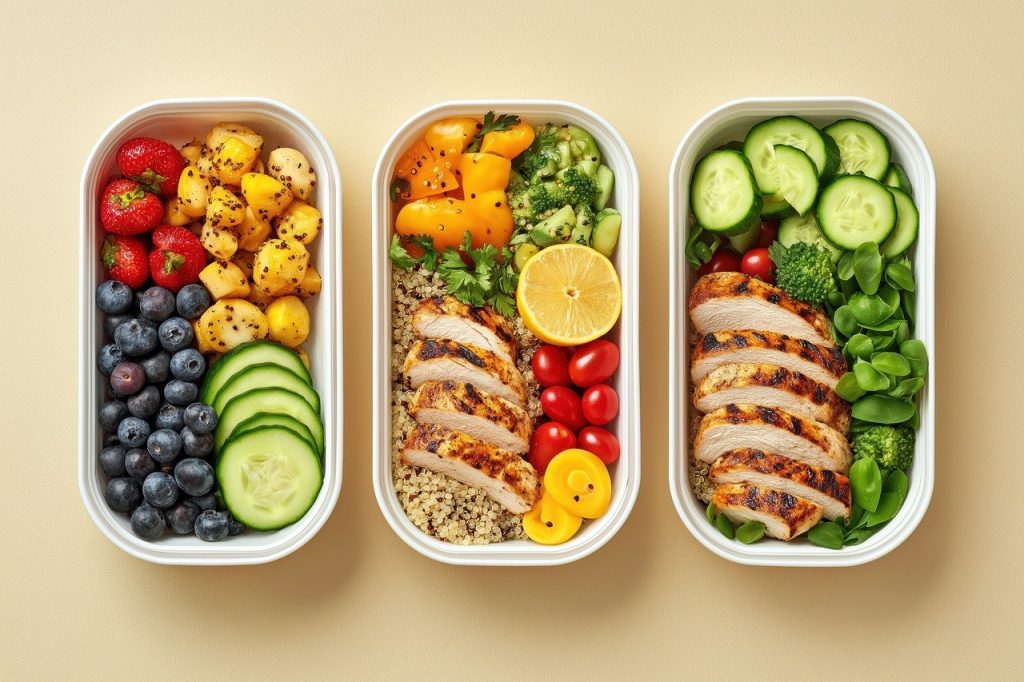
Picture Source: (PixaBay, 2016)

Day 2:

Breakfast: Greek yoghurt with chopped apple and cinnamon.

Lunch: Use leftover chicken and rice in a wrap or with bread.

Dinner: Beef mince stir-fry. Cook mince beef with frozen veg and soy sauce or paprika. Serve with rice or pasta.

Picture Source: (PixaBay, 2016b)

Day 3:

Breakfast: Peanut butter toast with banana.

Lunch: Veggie omelette with toast. Just 2 eggs + frozen veg = power lunch.

Dinner: Jacket potato with baked beans and cheese (optional).

Picture Source: (PixaBay, 2020)


Best Places to Shop for Students

  • Lidl or Aldi – Budget-friendly staples and meat.
  • Tesco Everyday Value / Asda Smart Price – Affordable store brands.
  • Local Markets – Cheap fruit and veg (especially near closing time).
  • Pound Shops / Home Bargains – Good for spices, kitchen tools or tinned goods.

Tip: Sign up to loyalty cards (e.g., Tesco Clubcard) for more deals and always bring your own carrier bags!


Save More with Meal Prep & Smart Swaps

Meal Prep Tips:

Plan Ahead: Know what you’re eating before you’re starving.

Batch Cook: Make dinner, save half for lunch the next day.

Freeze Leftovers: Works well with pasta, curry, soup and rice.

Picture Source: (Dreamdecko, 2025).

Ingredient Swaps:

  • Use lentils to bulk out mince.
  • No lentils? Use chickpeas or beans.
  • Alternate meat days with plant-based protein like eggs or beans.
  • Buy cheaper cuts like drumsticks or chicken thighs.

Cooking doesn’t need to be perfect – it just needs to work for you.


Bonus: Mindful Eating = Better Living

It’s not just about eating cheap – it’s about feeling better. Cooking your own meals:

  • Reduces stress
  • Helps you focus
  • Saves you money
  • Builds confidence

If you can prep a week’s worth of healthy food for £20 now, imagine what you can do with a full-time salary later.

Tip: Try pairing your meals with a short walk, water bottle refills, and decent sleep. Small Changes = Big Wins!


Student Voices

“Meal prepping saved me at least £15 a week compared to eating out! Now I find it easier to save money to spend on things I enjoy”

Josh, 2nd Year Psychology Student

“I Stopped skipping meals once I knew I had food ready in the fridge. Meal prepping helped me become more organised and less stressed”

Amelia, Final Year Nursing Student

“I used to skip breakfast to save time and money, but once I started prepping overnight oats, I noticed I had more energy for my 9am lectures”

– Cameron, Third Year Physio Student

Try this £20 Meal Plan This Week!

Want to see how far your food budget can stretch? Try this 3-day plan and tag your creations with #StudentFuelChallenge. Let’s normalise healthy eating on a student budget.

Question for the readers: What’s your go-to cheap and healthy meal at uni? Drop it in the comments below!

Leave a Reply

Your email address will not be published. Required fields are marked *

Read More!

Student recipes | Good Food: The £20 Meal Plan: How Students Can Eat Healthy on a BudgetMeditation and Sleep Made Simple – Headspace: The £20 Meal Plan: How Students Can Eat Healthy on a BudgetSave the Student – Student Money, Discounts and Jobs: The £20 Meal Plan: How Students Can Eat Healthy on a Budget

Stronger mind stronger body, the power of the gym.

Have you ever thought about why so many people go to the gym?


I have, the gym is a safe place for people to work out their stress from the day and clear their mind. While going you become stronger physically and it also helps your mind become stronger which is a hidden side effect. It can help you if you are a student working on essays or if you have a job and working and need some mental rest and the gym can be your sanctuary.

The hidden bonus of the gym

When we first think about the gym you think about like bodybuilders or influencers. While these are great outlooks for going there are other benefits to going to the gym.

There are physical benefits that get attention and noticeable to others, but the mental health benefits need attention as well, because this gets overlooked.

When exercising you brain is working to the same level you are. According to Dr Wendy Suzuki “Exercise is the most transformative thing you can do for your brain today”. Dr Wendy Suzuki is a neuroscientist at New York University.

In a world where anxiety and burnout are on the rise. The gym has now become more than just a place to build muscles, it is becoming a tool for mental clarity, and daily stress relief. When you become stronger so does your mind.


Personal experience

So, my own personal experience in the gym was that when I was younger, I chased the gym to get fitter and personally look better, so was chasing a better look and not a better mental state. Then after a few weeks of going to the gym I was able to sleep better, my mental clarity was better and when in a stress environment like exams I was able to think clearer. This was a huge help when it was in exam season with all of the stress of grades and getting into university or getting into 6 forms.

Now gym for me personal has now become less able achieving abs but feeling strong mentally and physically whilst looking better.

Why it all works – The science behind the sweat

So, the reasoning and science behind how it make us feel so good is that it goes down to the fundamentals like the brain chemistry and biology.

Research 

According to different clinical research it shows that a 30 minute exercise 3 times a week can reduce symptoms of anxiety and depression. That would lead to helping improve mental strength.

A psychiatry study has found that if you exercise regularly it can reduce you bad mental health days by 43%. 


The endorphins and chemicals

When exercising the brain realises natural chemicals which effect the body in a positive way. The hormones that are released are dopamine, serotonin, and norepinephrine. Norepinephrine is also knowns as noradrenaline. These are all neurotransmitters that affect the body mood, attention span and its motivation.

Minimising stress hormones

The main stress hormone is cortisol, and when you do any physical activity, it helps minimise it. So regular workouts means that it trains your body to be more effective at handling any pressure or stress that you endure.

Growing your brain

Sound impossible right? To grow more brain cells but it is completely possible. To achieve this all that is needed to do is aerobic exercises. Examples of this is cycling, running, swimming these are only a few examples that will help grow some new brain cells within the hippocampus.

The hippocampus is part of the brain that controls the memory and learning.

There are also some studies that show that regular workouts can improve memory and cognitive function over time.

The way it makes you sleep better

Sleep and your mental state are closely related, because when you sleep it processes your memories from the short term to the long-term storage.

Working out is one of the most effective way of getting the best sleep naturally. This would mean that deeper sleep and better-quality rest would mean clearer thinking and a better mood. The best rest would also lead to not burning out.

Boots focus and eliminates brain fog

After a workout you get a post-workout clarity, or I personally do.

When exercising it increases your heart rate which elevates blood flow, this leads to more blood flow around the brain which increases your focus and will improves your reaction time.

All of these would improve your ability to make decisions which especially helps in high pressure situations like work deadlines and exams.

Video

Below is a video on more for the brain chemistry and how exercise will help your mental well being.

Challenge yourself

You have now read some science of it, you have heard my story, so now it is your turn. It doesn’t matter if you have never been to the gym or getting back into the routine of the gym. Just what you need to remember and keep in mind everything you do regardless of if it is running or weights is investing in your mental heal and mental strength, and not just your muscles.

So, just start with half an hour a few times a week, even just walking for 30 minutes. After than you will definitely notice how you sleep, think, feel, and act different. Remember you don’t have to train for perfection just improvements.

Your brain will thank you in the end remember.

Summarise

To summarise this blog the gym isn’t just for muscles it’s a tool to increase your mind. Then regular exercise releases feel-good chemicals like endorphins and dopamine, reduces stress, and increases new brain cell growth. It improves your sleep which makes your memory increase and boost your mental health and wellbeing. So regardless of why you’re going to the gym whether you’re dealing with stress, brain fog, movement is going to be your medicine.

Make your goal feel strong mentally and physically.

Please leave a comment below about your thoughts of the blog, and if any of it helped.


Master Your Studies: Essential Tips for Success at Hull University

Have you been thinking about studying Business, Marketing, or Digital Marketing at the University of Hull? This blog will give you essential study tips to ensure your success during your studies. Whether you’re just starting your undergraduate journey or coming back for a master’s, this is your one-stop guide on creating positive study habits for success at Hull. Did you know that around 20% of students are distracted while trying to study? (Walck-Shannon, Rowell and Frey, 2021) If this sounds like you, then look no further.. As a second-year marketing student at Hull University, I’m sharing the best study tips that I didn’t know before starting university, so I’m giving them to you to make sure you are ahead of the game.

Why Choose Hull?

Hull offers students excellent academic support through lecturers, the Hubble portal, and the library team. (University of Hull, n.d.). As well as this, the City of Culture 2017 offers affordable living for students while offering a city packed with culture and opportunities. Fun Fact: Hull is ranked the 12th cheapest student city by The Times (Bhardwa, 2017).

  1. Plan Your Study Schedule Early

Uni Life is busy from lectures to assignments to social events and even work, planning is essential to avoid drowning under the pressure of work. A great way to create a schedule is by using planners such as Google Calendar or Microsoft Excel, as these help keep you afloat and under control.

Personal Tip: I break down big assignments into smaller tasks and take regular breaks, as it helps the work feel less daunting and a chore to get started with.

2. Make use of the University’s Study Resources 

The Brymor Jones Library is much more than any old Library, with a dedicated skills team and the social seventh floor as well as all the books you could dream of. But that’s not just it, the Library website has access to dozens of databases to support your studies.

3. Find your Ideal Study Space

Everybody studies differently; it’s not a one-size-fits-all situation. What may work for somebody else may not work for you. At the University of Hull and the surrounding areas, there are many different environments to test your perfect study atmosphere.

4. Manage Your Time Like a Pro

I know from experience that uni deadlines come up fast, so you need to develop good time management skills so you can stay ahead of the game. These skills are essential as they can be transferred into careers post graduation.

Recommended methods

Pomodoro Technique- Work for 25 minutes- break for 5- (Learn  more – watch this quick video).

Use apps that lock your phone to keep focus ( Forest).

Set Weekly Goals for work you need to complete.

5.  Work With Your Classmates

As a second-year student, I can tell you that group work is common across all business-based courses. You will need to develop teamwork skills as these are essential to come out with good grades. Here are some opportunities to develop them.

Joins HUBS ( Hull Uni Business Society)

Attend Hull uni HEY! Marketing ran events

Collaborate on assignments and share lecture notes.

Personal Experience: Once you break the ice with your group members, you can end up with a tight-knit group of friends.

6. Look After Your Physical and Mental Health

Academic success comes from more than just studying. Keeping healthy is essential.

The University of Hull has the Allam Sports Centre, which features a state-of-the-art gym and numerous courts to play sports on.

For mental health, practice mindfulness with apps such as Headspace or Calm.

As well as this, Sleep, nutrition, exercise and resting time are just as important as your deadlines.

Personal Tip: If you feel yourself getting stressed out or mentally fatigued from work, go to the gym to let off some steam and feel refreshed.

7. Use Technology to Your Advantage

As a marketing student, I quickly learned how powerful digital tools can be. There are many different tools that you can use, you may not know where to start so I have listed the ones I use the most.

Grammarly– this can help polish your assignments by improving grammar and flow, as well as suggesting different words to use.

Chatgpt- this AI chatbot can help you start your long essays by giving you key ideas that you could develop in your work. As well as this, it can help rewrite parts that don’t make sense or suggest things that could be better.

MyBib– This tool is a reference generator, essential for getting references correct.

Five Useful Apps For Students!

1. Notion– Good for keeping all your notes in one Place- Free (Save the Student, 2024)

2. Simple Mind– Good for organising your Thoughts through mindmaps- Free (Save the Student, 2024)

3. AppBlock– Good for staying focused when you’re trying to study- Free (Save the Student, 2024)

4. Microsoft 365– Good for accessing your work anywhere across multiple devices- Free with uni office accounts(Save the Student, 2024)

5. Google Calendar– Good for planning study schedules- Free


Final Thoughts: Success Starts Now!

Studying at the University of Hull is a fantastic opportunity to build not only your specialised skills for your degree, but you will also grow your confidence, independence, and career skills!

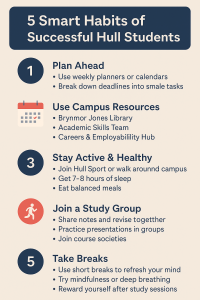
Here’s a small infographic summarising some of the tips I have discussed in this blog. Generated by (ChatGPT,2025)

By following my essential guide for surviving university, you will be planning, making use of resources, staying healthy, and using technology, you’ll be ahead of the game and be on track for success in your Business, Marketing or Digital Marketing degree.

Call to Action

Are you a Hull Student or perhaps a student across the UK with your study hack?

Don’t be a gatekeeper- Drop a comment below and share your best tips!

Do you want to swap and learn other people’s study strategies or connect with fellow UK Students? Add me on LinkedIn– Let’s build a network of support.

We Thrive Off Your Feedback

Was this blog helpful? Got a tip I missed and you want to share it?

Please leave a Comment below- your feedback leads to greater quality blogs.